Our Procedures

Apicoectomy

Apicoectomy

Why would I need Endodontic Surgery?


Most teeth with damaged pulp can be saved with a standard root canal procedure. In some cases, however, nonsurgical treatment is not enough for the tooth to heal fully. When this happens, your endodontist may recommend surgery to address issues that cannot be resolved through routine treatment. Endodontic Surgery can help locate small fractures or hidden canals that do not appear on X-rays but still cause discomfort. It can also address damaged root surfaces or surrounding bone. The most common type of endodontic surgery used to save a tooth is an apicoectomy, also known as a root-end resection.

What is an Apicoectomy?

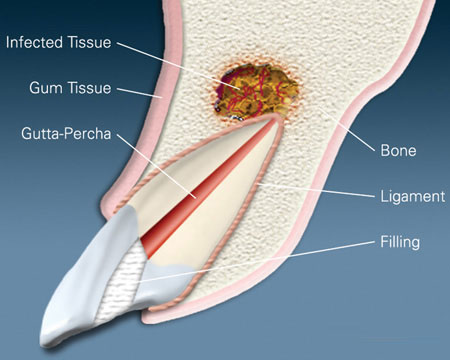
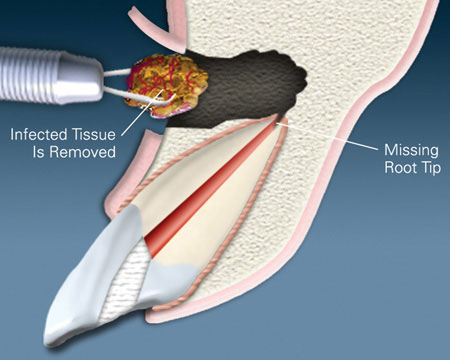
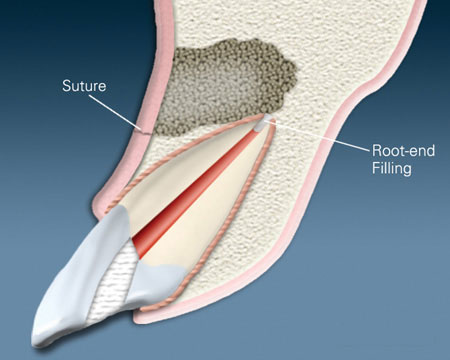
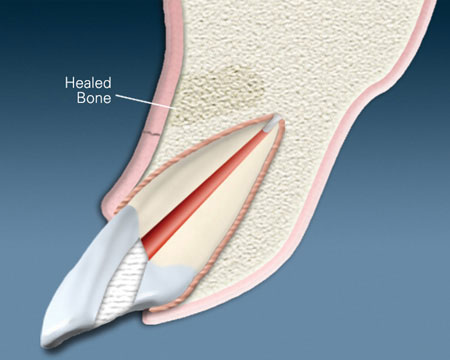
The video below illustrates this simple procedure. An apicoectomy involves making a small incision in the gum to reach the bone and the inflamed tissue near the end of the root. The affected tissue is removed along with the tip of the root. A filling is then placed at the end of the root to seal the canal and prevent reinfection. The area is closed with sutures, and over the next several months, the bone will naturally heal around the root, restoring normal function.

Watch this Quick Video on the Apicoectomy Procedure

Infected Tissue - Apicoectomy: Procedure – Pros & Cons, and Detailed Guide

1. Infected Tissue

Tissue Removed

2. Tissue Removed

Suture Placed

3. Suture Placed

Healing Complete

4. Healing Complete

It is normal to experience minor discomfort or slight swelling while the incision area heals. This is expected with any surgical treatment. Your endodontist will recommend appropriate pain medication to help manage discomfort. If the pain does not improve with medication or becomes more severe, you should contact our office for further guidance.

Book an Appointment

Anthem Endodontics is proud to serve the Anthem and North Phoenix communities with exceptional, patient-centered endodontic care. Schedule your visit today for expert evaluation and treatment.