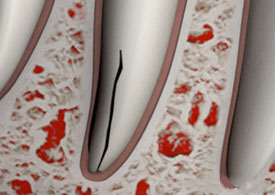
At the center of each tooth is the pulp, which contains the nerves, blood vessels, and connective tissue that help form the tooth. The pulp can become irritated or infected by trauma, deep decay, cracks, chips, or repeated dental work. Common symptoms include visible injury, swelling, sensitivity to temperature, or pain in the tooth and gums.
When these symptoms appear, your dentist may recommend nonsurgical root canal treatment to remove the damaged pulp and clean and seal the root canal system. Local anesthesia is used to keep you comfortable, and nitrous oxide may be available if needed. Depending on the tooth and the extent of the issue, treatment may require one or more visits. Most cases respond well to therapy, with a high rate of success. If treatment is not possible or the likelihood of success is low, you will be informed at your consultation or during treatment. After the procedure, most patients can drive home and return to normal routines.
Watch this quick video on Cracked Teeth Therapy
Types of Cracks
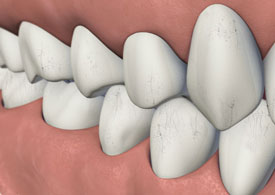
Craze lines
These are very small cracks that affect only the outer enamel. They are common in adults and do not usually require treatment.
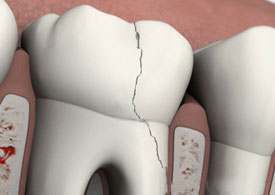
Fractured Cusp
When part of the chewing surface becomes weakened, it may break off or be removed by a dentist. The pulp is rarely affected, so root canal treatment is usually not required. A crown is often used to restore the tooth.
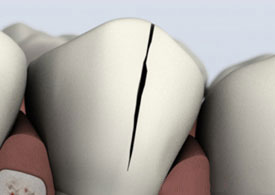
Treatable Cracked Tooth
This type of crack begins at the chewing surface and extends vertically toward the root. In some cases, it may reach below the gumline or continue down the root. Damage to the pulp is common, and root canal treatment is often necessary. Without treatment, the crack can worsen and lead to tooth loss, making early detection important.
Split Tooth
A split tooth results from a crack that has progressed over time. It is identified by a crack with clearly separated segments. While the entire tooth cannot be saved, part of it may sometimes be preserved through endodontic retreatment and restoration.
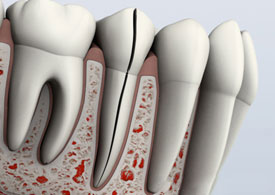
Vertical Root Fracture
This type of fracture begins at the root and moves upward. Symptoms are often minimal, and the fracture may not be noticed right away. Treatment may involve surgery to remove the fractured portion if possible. In other cases, the tooth may need to be extracted.
Book an Appointment
Anthem Endodontics is proud to serve the Anthem and North Phoenix communities with exceptional, patient-centered endodontic care. Schedule your visit today for expert evaluation and treatment.
Anthem Endodontics is proud to serve the Anthem and North Phoenix communities with exceptional, patient-centered endodontic care. Schedule your visit today for expert evaluation and treatment.